Mastering the Medium Steak: Precision Pulls, Perfect Rests, and Skillet Success
Achieving a perfectly cooked medium steak is often hailed as the pinnacle of home grilling and pan-searing. It’s a delicate balance: a warm pink center, rich beef flavor, and a satisfyingly tender bite, all without venturing into dry or overcooked territory. Many home cooks strive for this ideal, but few consistently hit the mark. The secret isn't a magical touch or a chef's intuition; it's precision – specifically, mastering the
Medium Steak Temperature.
This comprehensive guide will demystify the process, transforming your steak-cooking from guesswork to guaranteed success. We��ll explore the exact temperature ranges, the crucial role of resting, and provide a foolproof skillet method that consistently delivers that coveted medium doneness. Prepare to impress yourself and your guests with steaks that are juicy, flavorful, and cooked to absolute perfection, every single time.
Understanding Medium Doneness: The Sweet Spot
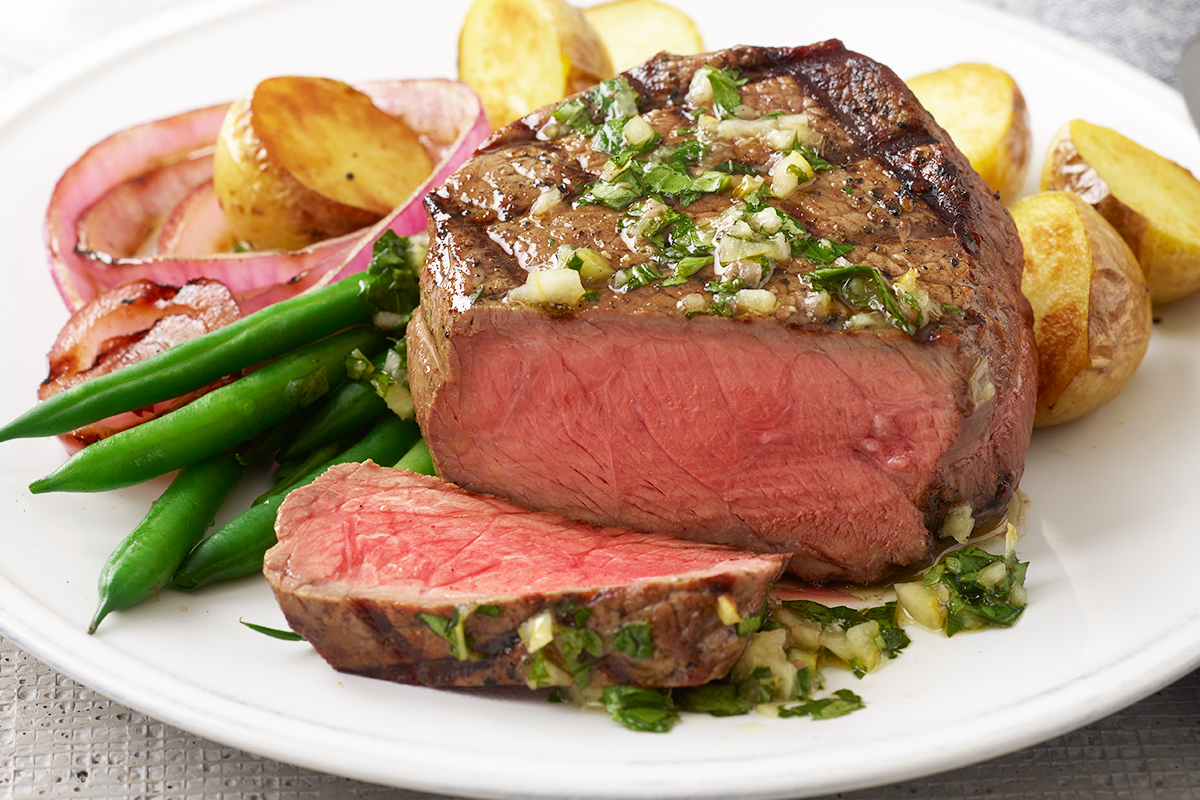
What exactly defines a medium steak? It's the delightful "sweet middle" of steak doneness. Visually, you're looking for a center that is distinctly warm pink, gradually fading to a lighter brown as you move towards the crust. Texturally, it offers a firm but yielding bite, delivering robust beef flavor without any hint of toughness or chewiness.
The universally accepted target for a medium steak is an internal temperature ranging from
140–145°F (60–63°C). This tight window is where the magic happens – where the connective tissues have begun to break down sufficiently, the muscle fibers are tender, and the juices are still abundant. Straying even a minute too long, or allowing the temperature to climb just a few degrees higher, can push your steak into medium-well territory, where the juiciness begins to diminish rapidly. This is precisely why cooking by accurate temperature, rather than relying solely on visual cues or the unreliable "feel test," is paramount for consistent results.
The Science of Pull Temperature and Resting
One of the most common mistakes in steak cooking is removing the meat from the heat at its desired final temperature. This almost always leads to an overcooked steak. The key to achieving the perfect
Never Overcook: Your Guide to Juicy Medium Steak Temperatures lies in understanding and leveraging
carryover cooking, also known as the rest.
Why Resting is Non-Negotiable
When you remove a steak from intense heat, the external layers are significantly hotter than the center. This stored heat continues to migrate inwards, causing the internal temperature of the steak to rise even after it's off the pan or grill. This phenomenon, known as carryover cooking, can increase the steak's internal temperature by an additional 5-10°F (3-6°C) during a typical rest period.
Therefore, for a medium steak, your *pull temperature* – the temperature at which you remove the steak from the heat – must be lower than your target final temperature. For medium doneness, aim to pull your steak off the heat when its internal temperature reaches
135–140°F (57–60°C). This crucial window allows the carryover cooking during the rest to gently nudge the steak into the perfect 140–145°F (60–63°C) range.
The Impact of Steak Thickness
The amount of carryover cooking isn't a fixed number; it largely depends on the steak's thickness:
*
Thin Steaks (¾ inch or less): These steaks retain less residual heat, so their internal temperature will rise less during the rest. For thinner cuts, aim to pull closer to the upper end of the pull range, around
138–140°F (59–60°C), to ensure they reach medium.
*
Thick Steaks (1½ inches or more): Thicker cuts hold significantly more heat. They will experience a more pronounced carryover effect. For these substantial steaks, pull earlier, closer to
135°F (57°C), to prevent them from overshooting your medium target.
The resting period itself should be 5-10 minutes, depending on the steak's size. Resist the urge to cut into it prematurely; this time allows the muscle fibers to relax and reabsorb juices, resulting in a significantly more tender and succulent steak.
Precision is Key: Mastering Your Thermometer
While visual cues (like color) and the "feel test" can offer some indication of doneness for experienced chefs, they are highly subjective and prone to error, especially when aiming for a precise
Medium Steak Temperature. For repeatable success and true mastery, a reliable instant-read thermometer is your most valuable tool.
How to Measure Steak Temperature the Right Way
1.
Insert from the Side: Do not probe from the top, as this can let juices escape. Instead, insert your thermometer horizontally into the side of the steak.
2.
Aim for the True Center: Guide the probe so its tip rests in the thickest part of the steak's center. This is the coolest part and gives the most accurate reading of the overall doneness.
3.
Avoid Obstacles: Be mindful not to hit bone or a large fat seam, as these can give false readings. If you encounter one, simply reposition the probe slightly.
4.
Start Checking Early: Don't wait until you *think* the steak is done. Begin checking the temperature when you estimate you're still a few minutes away from your target pull temperature. The final few degrees can rise very quickly, particularly in a hot pan or grill.
Consistent and accurate temperature checks empower you to make informed decisions, ensuring you pull your steak at precisely the right moment for medium perfection.
Skillet Method for Perfect Medium Steak
The cast-iron skillet is a formidable tool for achieving a perfectly seared, juicy medium steak. Its ability to retain and distribute heat evenly ensures a fantastic crust without hotspots or uneven cooking, making it an ideal choice for hitting that precise
Medium Steak Temperature.
Step-by-Step Skillet Success:
1.
Preparation is Paramount:
*
Pat Dry: Use paper towels to thoroughly pat both sides of your steak dry. Moisture on the surface will steam the meat instead of searing it, preventing that desirable crust.
*
Season Generously: Salt both sides of the steak. For best results (a technique known as dry brining), salt your steak 45-60 minutes before cooking and leave it uncovered on a wire rack in the fridge. This allows the salt to penetrate and tenderize the meat. If short on time, salt immediately before cooking. Add black pepper or other seasonings just before cooking to prevent them from burning in the hot pan.
*
Bring to Room Temperature (Optional but Recommended): Allow your steak to sit out for 30-60 minutes before cooking. A less cold steak will cook more evenly.
*
Preheat Your Pan: Place your cast-iron skillet over medium-high heat. Let it preheat for 5-10 minutes until it's smoking slightly or a drop of water flicked into it beads up and "skitters" across the surface before evaporating.
2.
Sear and Control the Heat:
*
Add Oil: Once the pan is screaming hot, add a high-smoke-point oil (like grapeseed, avocado, or canola oil) – just enough to coat the bottom.
*
Sear Initial Side: Carefully place the steak in the hot oil. Sear for 2-3 minutes without moving it. Resist the urge to peek or move the steak; let that beautiful crust develop.
*
Flip and Lower Heat: Flip the steak to the second side. Immediately lower the heat to medium or medium-low. This ensures the crust continues to develop without scorching while the interior cooks through evenly.
3.
Temperature Check and Pull:
*
Begin Probing: After about 2 minutes on the second side (for a 1.5-inch steak), start checking the internal temperature using your instant-read thermometer, probing from the side into the thickest part.
*
Monitor Closely: Continue flipping every minute or so, checking the temperature after each flip, until you reach your target pull temperature of
135-140°F (57-60°C). Remember to adjust based on thickness:
*
For thin steaks (≤¾ inch), pull closer to 138-140°F.
*
For thick steaks (≥1½ inches), pull closer to 135°F.
*
Don't Hesitate: If your thermometer reads 141-142°F (60-61°C), pull the steak immediately! It's better to be slightly under and allow for maximum carryover than to overshoot.
4.
Rest and Slice:
*
The Crucial Rest: Transfer the cooked steak to a room-temperature plate or cutting board. Rest for 5-10 minutes. If you tend to overshoot or prefer a slightly softer medium, skip covering with foil during the rest, as foil can trap heat and increase carryover further.
*
Slice Against the Grain: Once rested, slice the steak against the grain (perpendicular to the direction of the muscle fibers). This shortens the fibers, making each bite incredibly tender.
Enhancing Your Skillet Steak: Basting and Aromatics
For an extra layer of flavor and a rich, golden-brown crust, consider basting your steak during the last few minutes of cooking. After the initial sear and a couple of flips, add a tablespoon or two of butter to the pan along with aromatics like fresh thyme, rosemary, and smashed garlic cloves. Tilt the pan slightly and, using a spoon, continuously baste the melted butter and infused oils over the steak for 1-2 minutes. This imparts incredible flavor and helps create an even crust.
Conclusion
Mastering the medium steak isn't about guesswork; it's about precision, patience, and understanding the science behind the cook. By focusing on the critical
Medium Steak Temperature ranges – pulling your steak at 135-140°F and allowing it to rest to a final 140-145°F – you unlock a world of tender, juicy, and perfectly cooked beef. Embrace your instant-read thermometer as your best friend, learn the nuances of carryover cooking, and practice the skillet method outlined here. With these tools and techniques, you'll consistently achieve steak perfection, transforming every meal into a memorable culinary experience. Happy cooking!