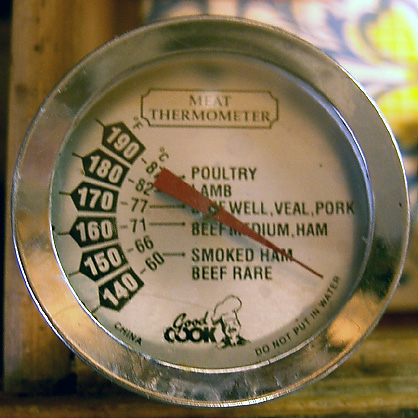
Medium Steak Temperature: Exact Pull & Target Temps for Perfection
Achieving a perfectly cooked medium steak is a culinary sweet spot, revered by connoisseurs and home cooks alike. It's the ideal balance: a warm, rosy pink center that's juicy and tender, offering robust beef flavor without venturing into dryness. The secret to consistently hitting this elusive mark isn't guesswork, but precision—specifically, understanding the exact
medium steak temperature for both pulling off the heat and its final resting state.
Forget relying solely on visual cues or the outdated "touch test." While experience helps, the only foolproof method for repeatable perfection is an accurate meat thermometer. A minute too long, and your beautifully pink steak can quickly transform into a drier medium-well. This comprehensive guide will equip you with the knowledge and techniques to master medium steak doneness every time.
What Defines a Perfect Medium Steak?
At its core, a medium steak is characterized by a warm, predominantly pink center that gradually transitions to a greyish-brown towards the edges. It’s firmer than a medium-rare steak but still yields to the touch, offering a satisfying bite that feels "done" without any chewiness. The beef flavor is pronounced and rich, and crucially, the steak retains ample juiciness.
For most kitchens and culinary standards, the ideal internal temperature for a finished medium steak lands squarely in the range of **140–145°F (60–63°C)**. Aiming for the lower end of this range will give you a slightly softer, more vibrant pink medium, while the upper end provides a firmer texture with a more subdued pink. Understanding this target range is the first step toward consistent results.
The Science of "Pull Temperature" and Carryover Cooking
One of the most critical concepts in steak cooking is "carryover cooking." This phenomenon dictates that your steak's internal temperature will continue to rise even after it's removed from the heat source. Heat stored in the steak's outer layers and crust continues to transfer inward, effectively cooking the steak further during the resting period. Failing to account for this is the most common reason steaks are overcooked.
Therefore, for a medium steak, you must pull it off the heat *before* it reaches its target final temperature. The optimal **pull temperature** for a medium steak is typically between **135–140°F (57–60°C)**. During the subsequent resting phase, the internal temperature will naturally climb an additional 5–10°F, bringing your steak perfectly into the 140–145°F medium zone.
The amount of carryover cooking isn't constant; it's influenced significantly by the steak's thickness:
* **Thin Steaks (≤¾ inch):** These steaks have less mass to retain heat, so carryover cooking is minimal. You'll want to pull them closer to the higher end of the range, around **138–140°F**.
* **Thick Steaks (≥1½ inches):** With more thermal mass, thick steaks experience more significant carryover. Pull these steaks closer to the lower end, around **135°F**, to prevent overshooting your target.
Beyond simply raising the temperature, resting also allows the muscle fibers to relax and the juices, which have been driven to the center by the heat, to redistribute evenly throughout the steak. Skipping the rest means cutting into a steak where all the delicious moisture floods onto your cutting board instead of staying in the meat. This crucial step is often overlooked but is as important as the cooking itself. For more insights on how to perfect this delicate balance, read
Never Overcook: Your Guide to Juicy Medium Steak Temperatures.
Mastering Temperature Measurement: Your Key to Consistency
To consistently achieve perfect medium steak doneness, a reliable instant-read meat thermometer is an indispensable tool. Relying on color or the "feel test" is inherently subjective and prone to error, especially for less experienced cooks. An instant-read thermometer provides an objective, accurate reading in seconds.
Here's how to measure your steak's temperature correctly:
1. **Probe from the Side:** Instead of piercing the top, insert the thermometer probe horizontally from the side of the steak. This allows the tip to reach the true center of the thickest part.
2. **Aim for the Center:** Ensure the probe tip is positioned right in the middle, away from any bones or large pockets of fat, as these can give inaccurate readings. If you hit bone or a fat seam, reposition the probe and check again.
3. **Start Checking Early:** Don't wait until you think the steak is "done." Begin checking when you believe it's still a few minutes away from your target pull temperature, perhaps 10–15°F below. Steak temperatures can rise rapidly in the final stages of cooking, and early checks help you stay ahead.
Practical Methods for Achieving Medium Steak Perfection
Whether you prefer the crisp crust of a pan-seared steak or the smoky char of the grill, achieving a perfect medium is attainable with the right technique.
Skillet Method: The Cast Iron Champion
A heavy-bottomed pan, especially cast iron, is ideal for creating an incredible crust and maintaining consistent heat.
1. **Prep Your Steak:**
* Pat the steak thoroughly dry with paper towels. Moisture on the surface will steam instead of searing, preventing a good crust.
* Season generously with salt (and pepper, if you prefer it cooked rather than added after). For best results, salt your steak 45-60 minutes before cooking and let it rest uncovered on a rack in the fridge. This "dry brining" enhances flavor and tenderness. If short on time, salt just before cooking.
* Bring the steak to room temperature for about 30 minutes before cooking for more even results.
2. **Sear and Control Heat:**
* Heat your skillet over medium-high to high heat until it's smoking hot. A drop of water should skitter and evaporate instantly.
* Add a high-smoke-point oil (like grapeseed, canola, or avocado oil) to the pan, just enough to coat the bottom.
* Carefully place the steak in the hot pan. Sear for 2-3 minutes without moving it, allowing a deep brown crust to form.
* Flip the steak, then immediately lower the heat slightly to medium. Continue to cook, flipping every 1-2 minutes for even cooking and crust development.
* *Pro Tip:* For extra flavor and a beautiful basting, add a knob of butter, a sprig of fresh rosemary or thyme, and a couple of smashed garlic cloves to the pan during the last few minutes of cooking. Tilt the pan and spoon the melted butter and aromatics over the steak.
3. **Temp Check and Pull:**
* Begin checking the internal temperature as described above, probing from the side into the thickest part.
* Once the thermometer reads **135–140°F (57–60°C)**, immediately remove the steak from the skillet. If you've basted with butter, transfer it directly from the pan.
4. **Rest and Slice:**
* Place the steak on a room-temperature cutting board or plate. Avoid covering it tightly with foil unless you prefer a softer crust, as foil can trap steam and continue cooking the steak beyond your desired doneness.
* Allow the steak to rest for 5-10 minutes. This is critical for carryover cooking and juice redistribution.
* Slice across the grain against the fibers for maximum tenderness.
Grill Method: Harnessing Two-Zone Power
Grilling offers a distinct smoky flavor and beautiful char marks. A two-zone grill setup is key for precise control.
1. **Setup Your Grill:**
* For a gas grill, light burners on one side to high heat and leave the other side off.
* For a charcoal grill, pile coals to one side, creating a direct heat zone and an indirect heat zone.
2. **Prep Your Steak:**
* As with the skillet method, pat the steak dry and season generously. Bring to room temperature.
* Lightly oil the grates of your grill to prevent sticking.
3. **Sear and Finish:**
* Place the steak over the direct, hot zone of the grill. Sear for 2-4 minutes per side, depending on thickness, until a beautiful crust develops.
* Once seared, move the steak to the indirect heat zone. Close the lid and continue to cook, allowing the internal temperature to rise gently and evenly.
4. **Temp Check and Pull:**
* Regularly check the internal temperature, probing from the side into the thickest part.
* When the steak reaches **135–140°F (57–60°C)**, remove it from the grill.
5. **Rest and Slice:**
* Rest the steak for 5-10 minutes on a cutting board before slicing across the grain.
For a deeper dive into these practical techniques and more tips, explore
Master Medium Steak: Pull, Rest, & Skillet Methods for Success.
Troubleshooting and Tips for Steak Success
* **Undershot?** If your steak is slightly undercooked after resting (e.g., closer to medium-rare), you can briefly return it to the skillet or grill for another minute or two per side, then rest again briefly.
* **Overshot?** While an overcooked steak can't be "uncooked," learning from the experience is key. Next time, pull it 2-3 degrees earlier. An overcooked steak can still be delicious when sliced thinly for sandwiches or salads.
* **Quality Matters:** Start with a good quality cut of beef. Marbling (the white flecks of fat) adds flavor and tenderness.
* **Even Thickness:** Opt for steaks of relatively even thickness for more consistent cooking. If you have a tapered steak, it will cook unevenly.
Conclusion
Mastering the perfect
medium steak temperature transforms steak cooking from a gamble into a predictable triumph. By understanding the critical pull temperatures, accounting for carryover cooking during resting, and utilizing a reliable instant-read thermometer, you unlock the secret to a consistently juicy, flavorful, and tender steak. Embrace these techniques, practice patience, and you'll be delighting yourself and your guests with flawlessly cooked medium steaks every single time. Happy cooking!