Never Overcook: Your Guide to Juicy Medium Steak Temperatures
There’s a sweet spot in steak cooking that promises a tender, flavorful, and incredibly satisfying bite: the medium doneness. It’s a delicate balance, revered by many for its warm pink center, robust beef flavor, and a chew that feels perfectly "done" without ever verging on dry or tough. But how do you achieve this culinary ideal consistently, without the dreaded overcook? The secret, as any seasoned chef will tell you, lies not in guesswork, but in precision: understanding the Medium Steak Temperature.
Forget the outdated "feel tests" or relying solely on visual cues. While experience helps, the only surefire way to nail that perfect medium steak every single time is by harnessing the power of an accurate meat thermometer. This guide will demystify the numbers, walk you through the essential techniques, and arm you with the knowledge to consistently deliver a juicy, medium-cooked steak that will impress every palate.
Decoding the Perfect Medium Steak Temperature
Achieving a medium steak isn't just a goal; it's a specific temperature range. Think of it as a target, not a vague notion. Here’s what you need to know:
The Target Range for Medium Doneness
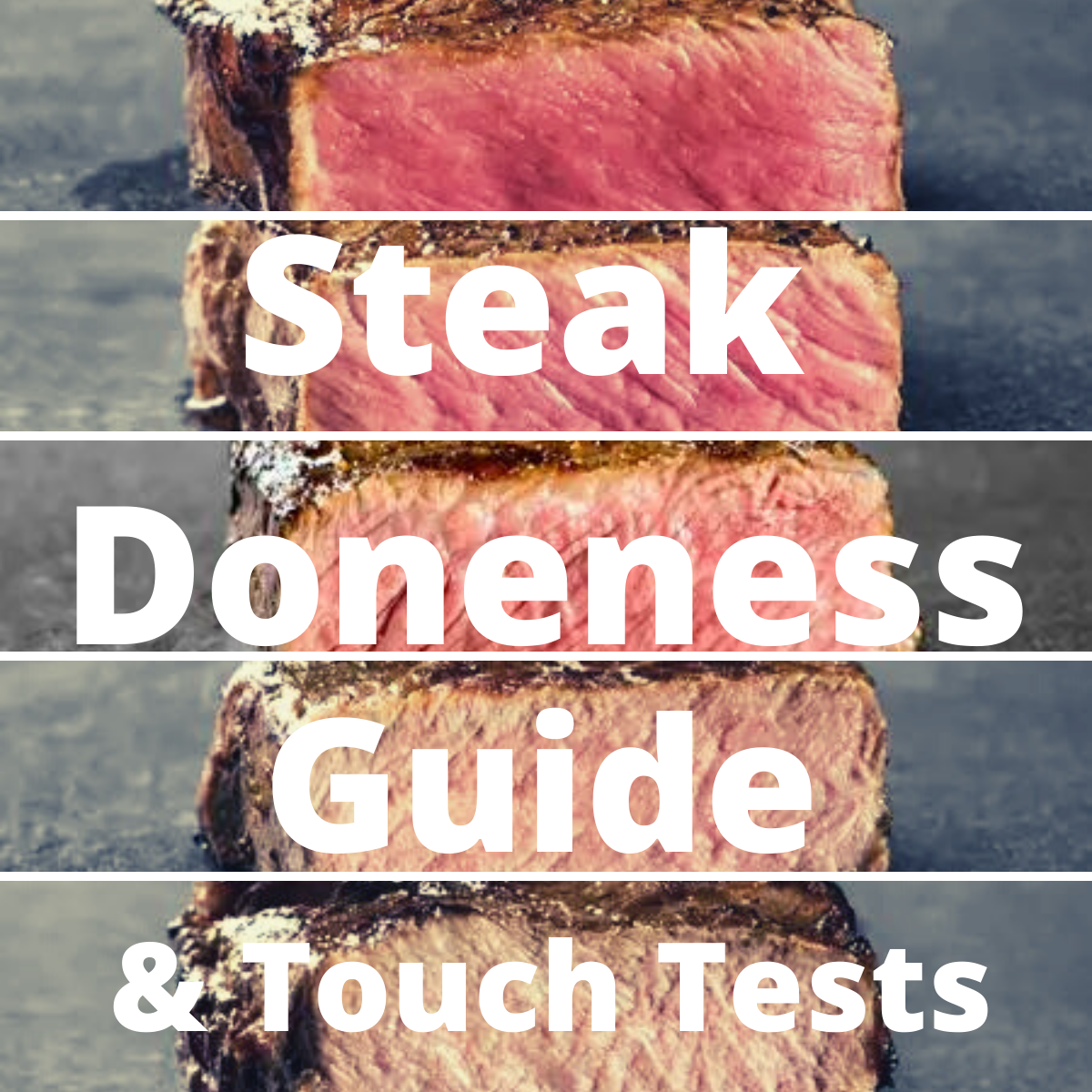
For a steak to be truly medium, its internal temperature, after resting, should fall within 140–145°F (60–63°C). Within this range, you'll discover a gorgeous warm pink center that's firmer than a medium-rare but still incredibly moist and tender. Aiming for the lower end (around 140°F) will give you a slightly softer, juicier medium, while the upper end (near 145°F) provides a firmer, yet still pink and delicious, experience.
The Critical "Pull Temperature"
This is where many home cooks go wrong. You don't cook the steak *to* its final temperature; you cook it *towards* it. You need to account for a phenomenon called "carryover cooking." Heat stored in the steak's outer layers continues to cook the interior even after it's removed from the heat source. This means you must pull your steak off the heat earlier than its target temperature.
For a medium steak, the ideal pull temperature is typically between 135–140°F (57–60°C). During the crucial resting period (which we'll cover in detail), the internal temperature will naturally rise by another 5–10°F, landing you squarely in that perfect medium zone. Pulling it even a minute too late can push it into medium-well, sacrificing precious juiciness.
Thickness Matters: Adjusting Your Pull Temperature
The amount of carryover cooking is directly influenced by the steak's thickness. Thicker steaks retain more heat and will experience a more significant temperature rise during resting. Conversely, thinner steaks cool down faster, with less carryover cooking.
- Thin Steaks (≤¾ inch): Pull closer to the upper end of the pull range, around 138–140°F (59–60°C), as they have less thermal mass for carryover.
- Thick Steaks (≥1½ inches): Pull closer to the lower end, around 135°F (57°C), to allow for greater carryover cooking without overshooting your target.
The Science of Doneness: Why a Thermometer is Your Best Friend
While chefs develop a feel for doneness over years of practice, for repeatable, stress-free perfection, a reliable meat thermometer is indispensable. Color can be deceiving due to lighting or meat variation, and the "poke test" is subjective and prone to error. To master Medium Steak: Pull, Rest, & Skillet Methods for Success, you must embrace precision.
How to Measure Steak Temperature the Right Way
Using your thermometer correctly is as important as having one:
- Probe from the Side: For the most accurate reading, insert the thermometer probe horizontally from the side of the steak. This ensures the tip reaches the true center of the thickest part, avoiding contact with hot surfaces like a pan or grill grates, or cold areas near the surface.
- Avoid Bone or Fat: Bone heats up faster than meat, and fat renders at different temperatures. Hitting either can give you a false reading. Reposition the probe if you encounter resistance or suspect you're not in the pure muscle.
- When to Start Checking: Don't wait until you *think* it's done. Begin checking when you believe the steak is still a few minutes away from your target pull temperature. The final stretch of cooking can happen surprisingly quickly, so frequent checks (every 1-2 minutes once you're within 10-15°F of your pull temp) are key to preventing overcooking.
Mastering Medium: Skillet & Grill Techniques for Flawless Results
Whether you prefer the intense sear of a cast-iron skillet or the smoky char of a grill, the principles of achieving a perfect medium steak remain the same: high heat for crust development, controlled heat for even cooking, and precise temperature monitoring.
Skillet Medium Steak Method
A heavy cast-iron skillet is ideal for developing a magnificent crust and maintaining steady, even heat.
- Prep Your Steak:
- Pat Dry: Use paper towels to thoroughly pat both sides of your steak dry. Moisture on the surface will steam the meat instead of searing it, preventing a beautiful crust.
- Season Generously: Salt both sides liberally. For best results, salt at least 45 minutes to an hour before cooking, allowing the salt to draw out moisture and then reabsorb, leading to a juicier, more flavorful steak. If time is short, salt immediately before cooking. Add black pepper or other seasonings just before cooking to prevent burning.
- Room Temperature: Let the steak sit at room temperature for 30-60 minutes before cooking. This promotes more even cooking from edge to center.
- Heat the Pan: Place your cast-iron skillet over medium-high to high heat. Heat it until it's screaming hot – a drop of water flicked onto the pan should immediately skitter and evaporate, not just sit there.
- Sear and Control:
- Add a high-smoke-point oil (like grapeseed, avocado, or canola oil) to the hot pan, just enough to coat the bottom.
- Carefully place the steak in the hot oil. Sear for 2-3 minutes without moving it to allow a deep crust to form.
- Flip the steak. Immediately reduce the heat to medium or medium-low to maintain steady browning without scorching.
- Temp Check and Pull:
- Continue cooking, flipping every minute or two, until the internal temperature (measured from the side in the thickest part) reaches your target pull temperature (135–140°F, adjusted for thickness).
- If your steak hits 141-142°F before you pull it, don't panic – pull it immediately, and it will likely still land in the medium range, albeit the upper end.
- Rest and Slice: Transfer the cooked steak to a room-temperature plate or cutting board. Rest for 5-10 minutes. Resist the urge to cover it with foil, as this can continue the carryover cooking too aggressively and soften the crust. Slice across the grain for maximum tenderness.
Grill Medium Steak Method (Two-Zone Cooking)
Grilling offers fantastic flavor and char, and a two-zone setup makes hitting medium doneness much simpler.
- Set Up Two Zones:
- Charcoal Grill: Pile hot coals on one side of the grill for direct high heat, leaving the other side empty for indirect heat.
- Gas Grill: Turn one or two burners to high and the adjacent burners to low or off, creating a hot zone and a cooler zone.
- Prep Your Steak: As with the skillet method, pat dry, season generously, and bring to room temperature.
- Sear for Flavor: Place the steak over the direct, high-heat zone. Sear for 2-4 minutes per side, depending on thickness, until a beautiful crust and char develop.
- Move to Indirect Heat: Once seared, move the steak to the indirect, cooler zone of the grill. Close the lid to allow the ambient heat to finish cooking the interior evenly.
- Monitor and Pull: Insert your thermometer probe into the thickest part of the steak. Continue cooking over indirect heat, turning occasionally, until it reaches your desired pull temperature (135–140°F, adjusted for thickness).
- Rest and Slice: Transfer the steak to a clean plate or cutting board and rest for 5-10 minutes. Slice against the grain and enjoy!
Beyond the Heat: Resting Your Way to Juicy Perfection
Resting is perhaps the most overlooked, yet critical, step in achieving a truly juicy medium steak. It’s not just about allowing carryover cooking to happen; it's about redistributing the steak's precious internal juices.
When meat cooks, the muscle fibers contract and push the juices towards the center. If you slice into a steak immediately after cooking, those concentrated juices will gush out onto your board, leaving you with a drier steak. Resting allows the muscle fibers to relax and reabsorb those juices, resulting in a steak that's moist and flavorful throughout.
A good rule of thumb is to rest your steak for about half the cooking time, or at least 5-10 minutes for most cuts. For very thick cuts, even longer can be beneficial. Be patient; this short wait is the final, essential step to transforming a well-cooked piece of meat into a truly exceptional, medium steak temperature masterpiece.
Mastering the medium steak is a journey of precision and patience. By understanding the critical role of internal temperature, the nuances of pull temperatures based on thickness, and the importance of resting, you can eliminate guesswork and consistently achieve a perfectly juicy, tender, and flavorful steak. Invest in a good thermometer, follow these techniques, and you'll soon be celebrated as the go-to chef for never-overcooked steak. Happy cooking!